A visit to FarmRobo
Some time ago, I had the opportunity to visit FarmRobo, in Hyderabad. They are solving the agritech automation problem. It's pretty close to home as Madhya Pradesh, my state of residence, is one of the most agriculturally intensive states in the country. Another reason it is near to my heart is because growing crops in a clean, healthy and efficient way is a lot harder than it seems.
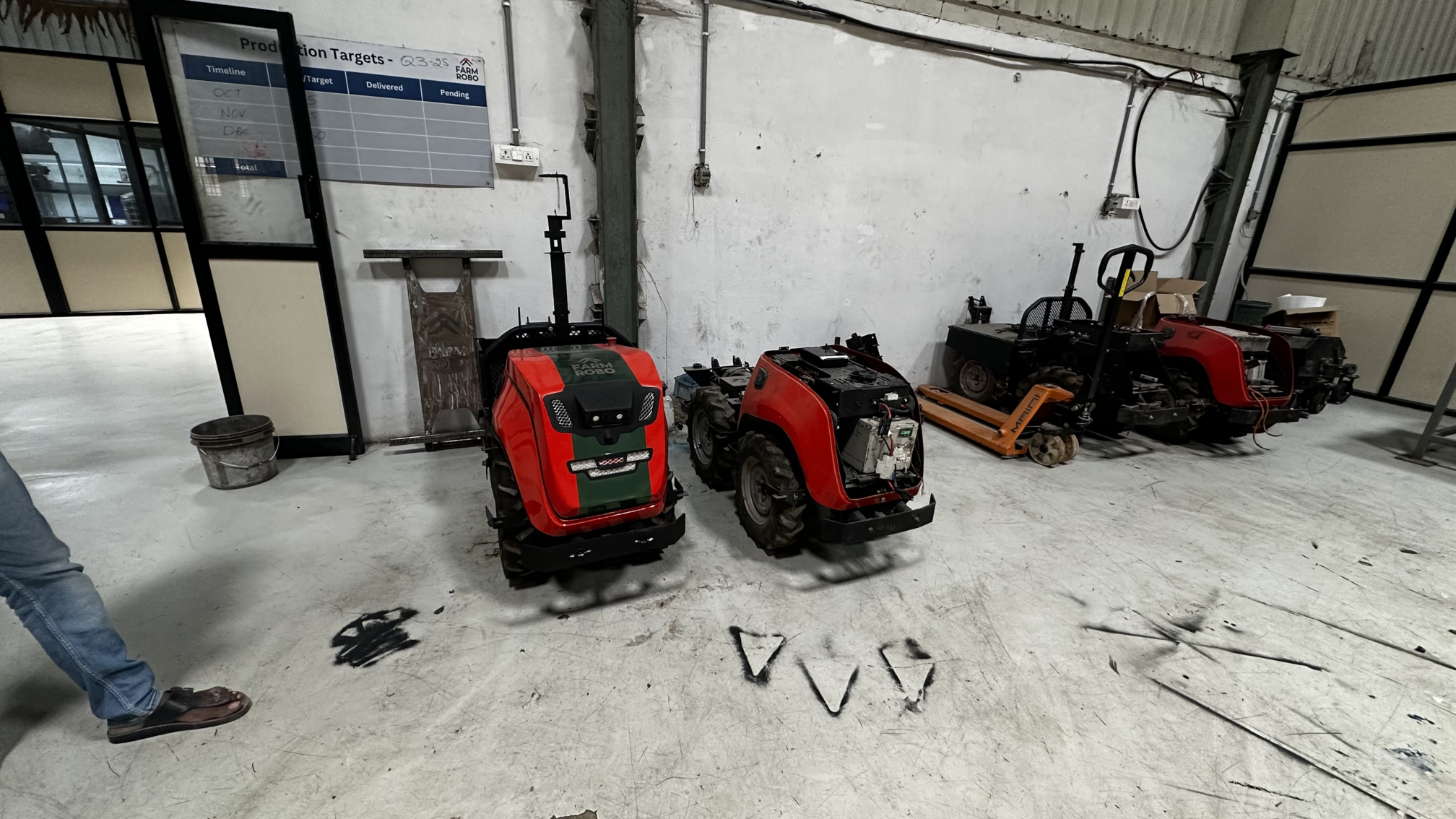
I must admit, their outreach and manufacturing capability was formidable. They are developing a platform based solution, where they have a main robot, their flagship R1V2, with several attachments for tilling, watering, spraying, et cetera.
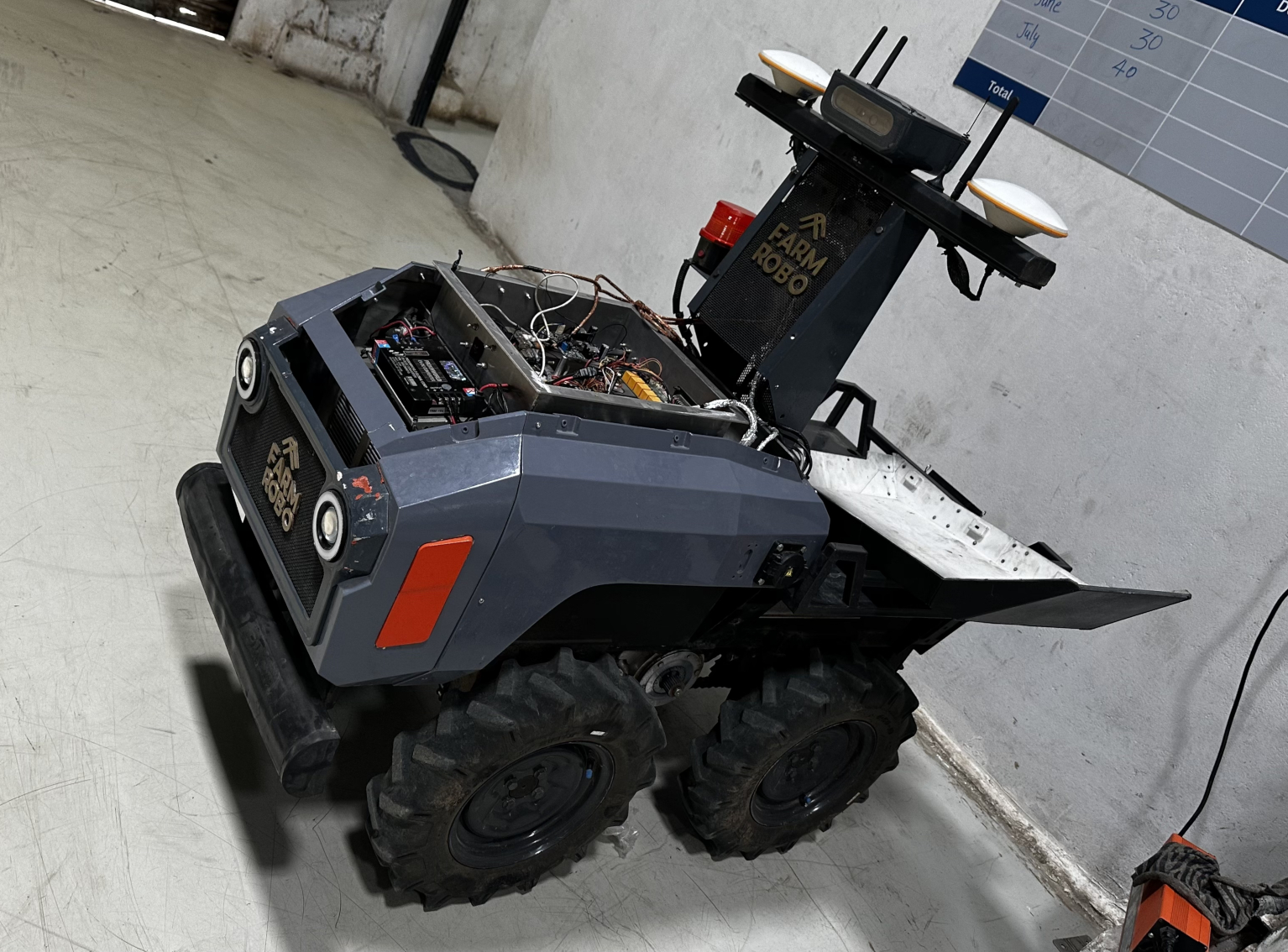
It's surely an interesting approach. I don't think they have the best form factor. They have derived the design from what is basically a regular tractor that is used in farms and scaled it down. I think the most glaring issue is that they don't have a massive amount of ground clearance. They advertise 170 mm of ground clearance, which sounds like a lot, but the ground clearance of the vehicle it is hoping to replace is about 300 mm and pushing up to 500 mm. Another pitfall the R1 V2 has is a max speed of 9 kmph. Maybe it makes sense for very extensive tasks like sowing, but for something like spraying or carrying items around, it's just abysmally slow. They also have a built in battery that is 8 kWh and additional batteries that can be replaced of about 2 kWh (I couldn't find anything about the 2kWh batteries in their brochures or the website). Either it should be the other way round, where one can swap the larger batteries, or it just shouldn't have an inbuilt battery, as that basically renders the continuous utilization of one, or a fleet of vehicles impossible. As a farmer, investing about Rs. 12,00,000 into a piece of equipment that I can only use for about 6 hours a day. It would be a significant advantage for me if I could attain the maximum possible utilization, whether I am using it myself or lending it out as a service. As for their electronics setup, they are using a combination of a Pixhawk (or similar) with a Jetson Nano, along with RTK based GPS and some cameras, probably running something like iNav or something similar.
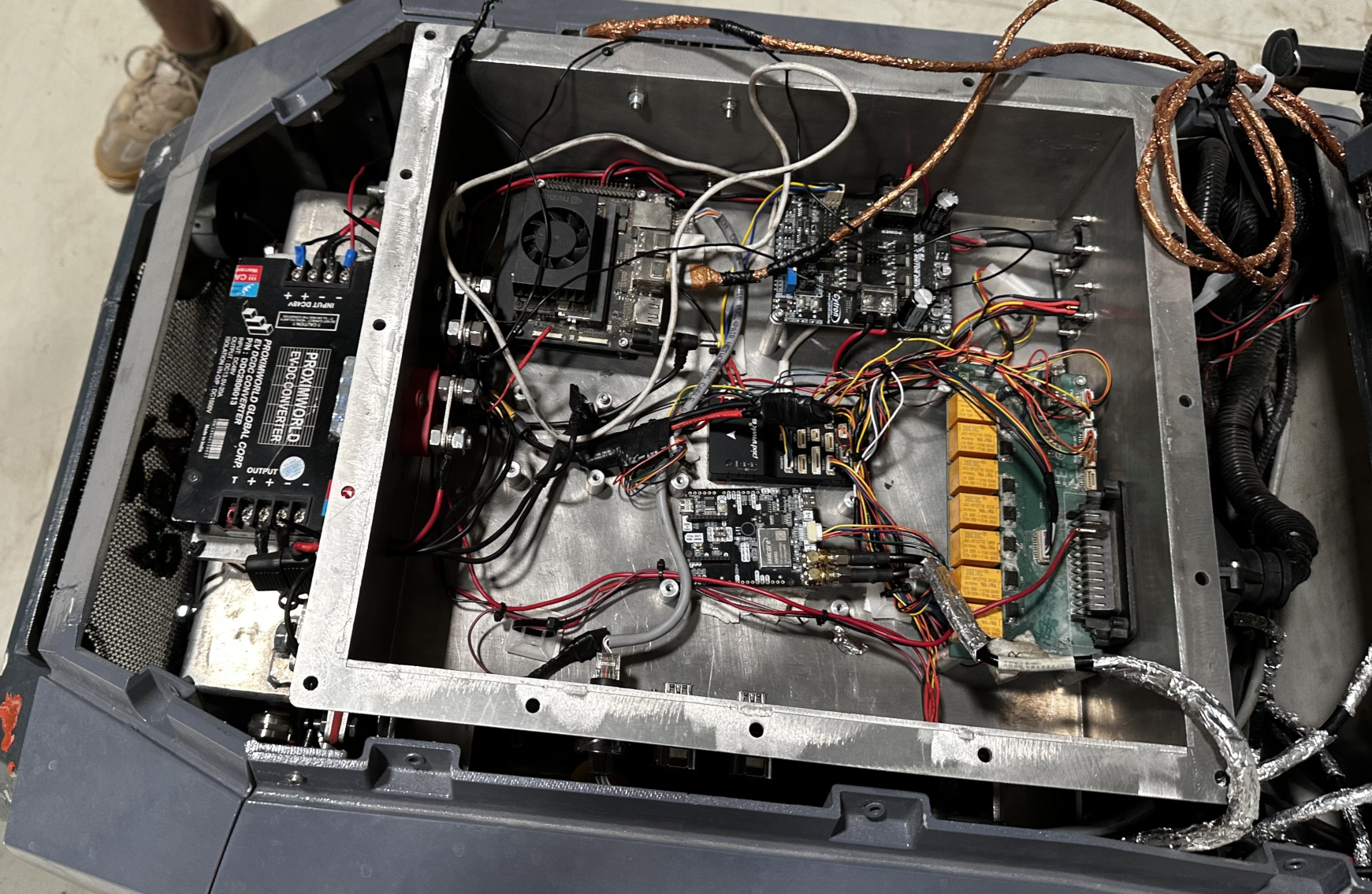
I think a better way to solve the problem and be more effective would be to make the system even more modular while keeping the dirt away from more thoughtful design. Would it increase the price? Perhaps. But it would also help with repairability and support, especially if and when something goes wrong on the field. I think that trade off would be worth it. I especially think that integrating the different attachments into modules that are rigidly connected and are a lot more high tech (after all, agritech isn't just about locomotion) would increase the yield a lot more than what is currently achievable and hence the trade off compared to cheap labour would be a lot more justified. They also do offer a manually controlled version without any of the fancy computing for about 33% less than the price of the original.
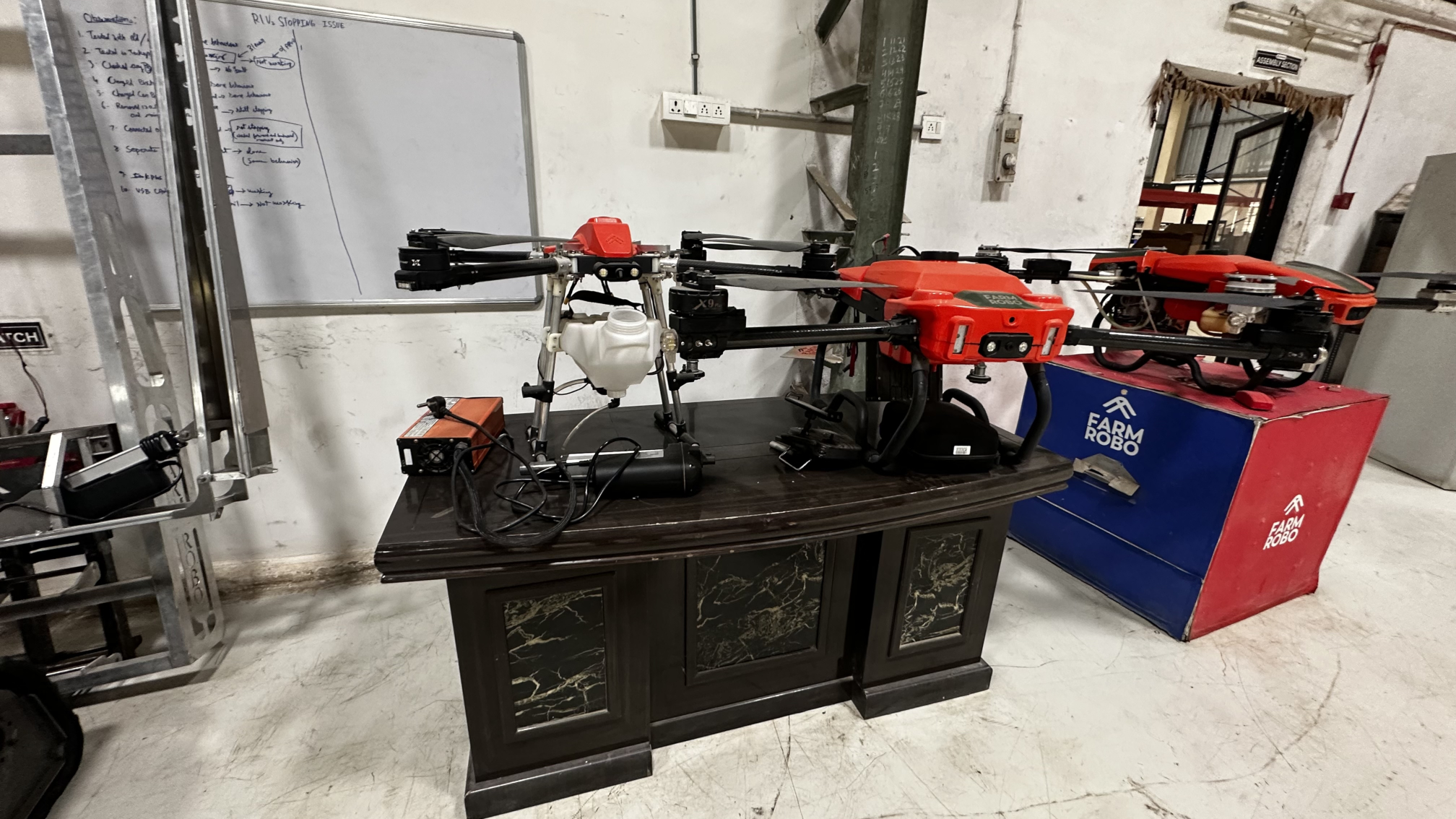
Either way, I do believe they will sooner or later improve their tech vastly. They were even experimenting with utilizing drones. I, as an FPV pilot and as someone familiar with drone tech, do not believe that utilizing drones for low fidelity tasks like spraying is the most efficient or an efficient way to use them. They can be better used in intricate environments where their agility is TRULY needed.
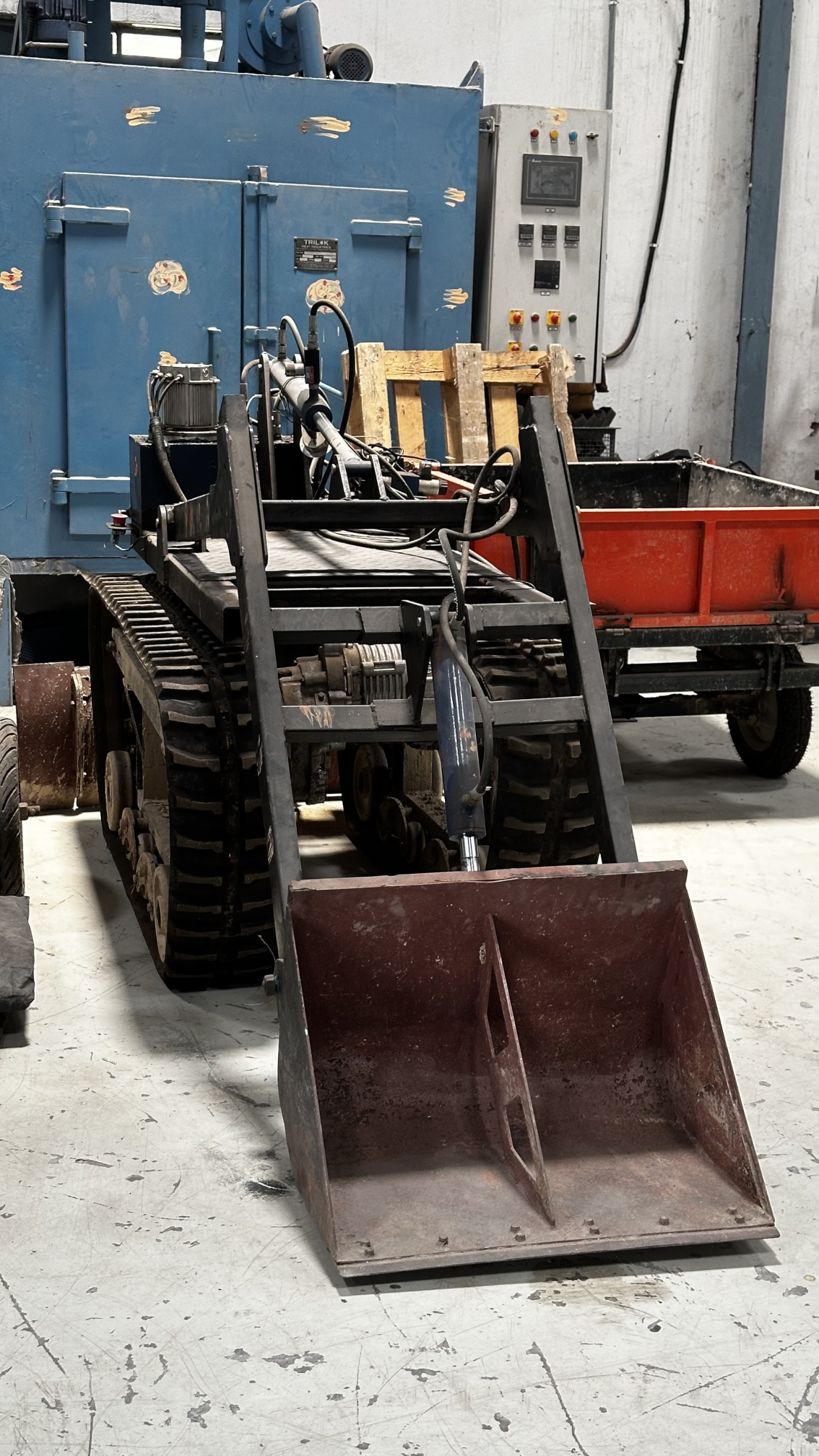
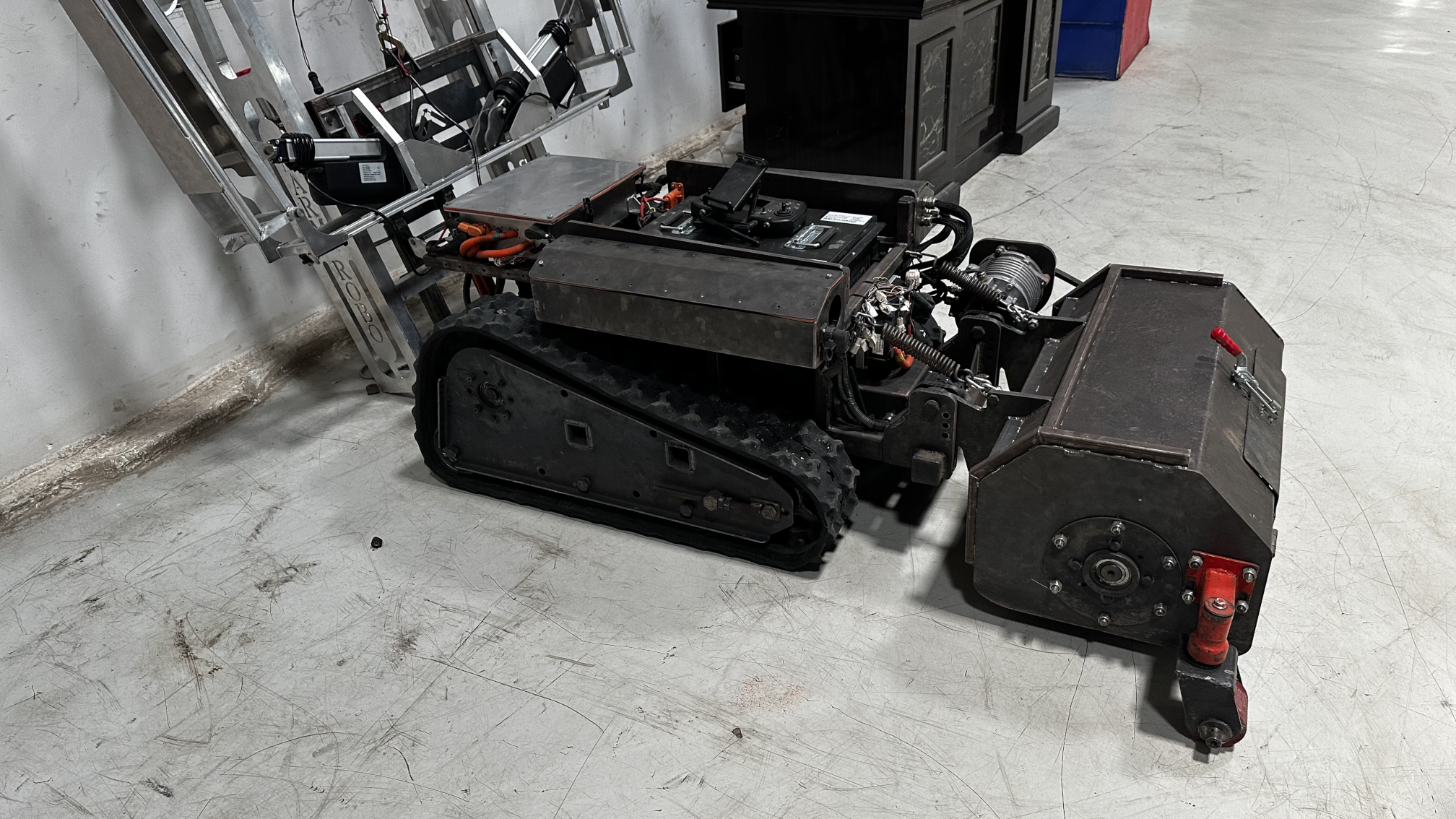
I also loved this very bare and industrious looking robot with tracks instead of wheels. If I recall correctly, this was what they had first started with as an experimental vehicle.
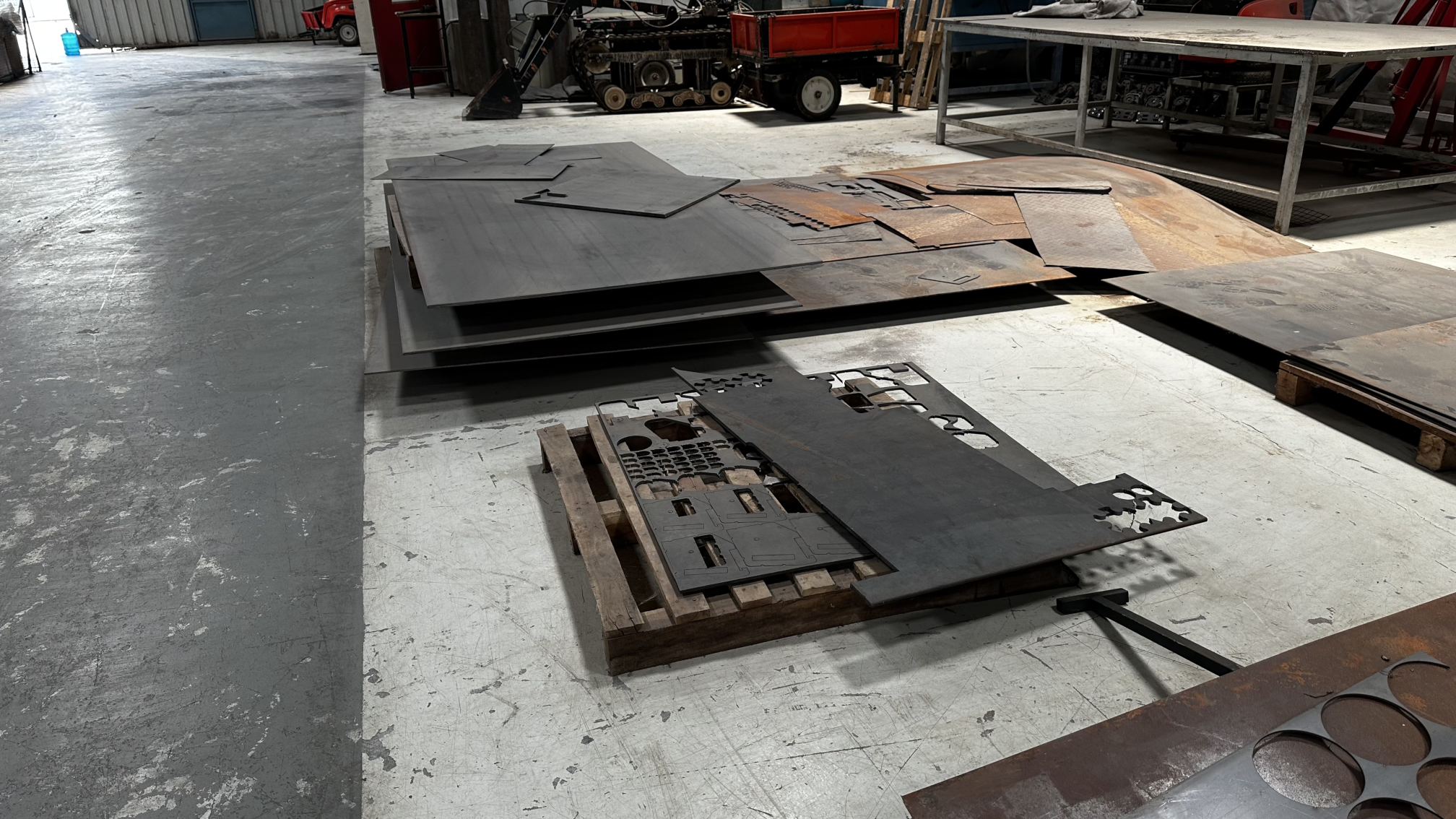
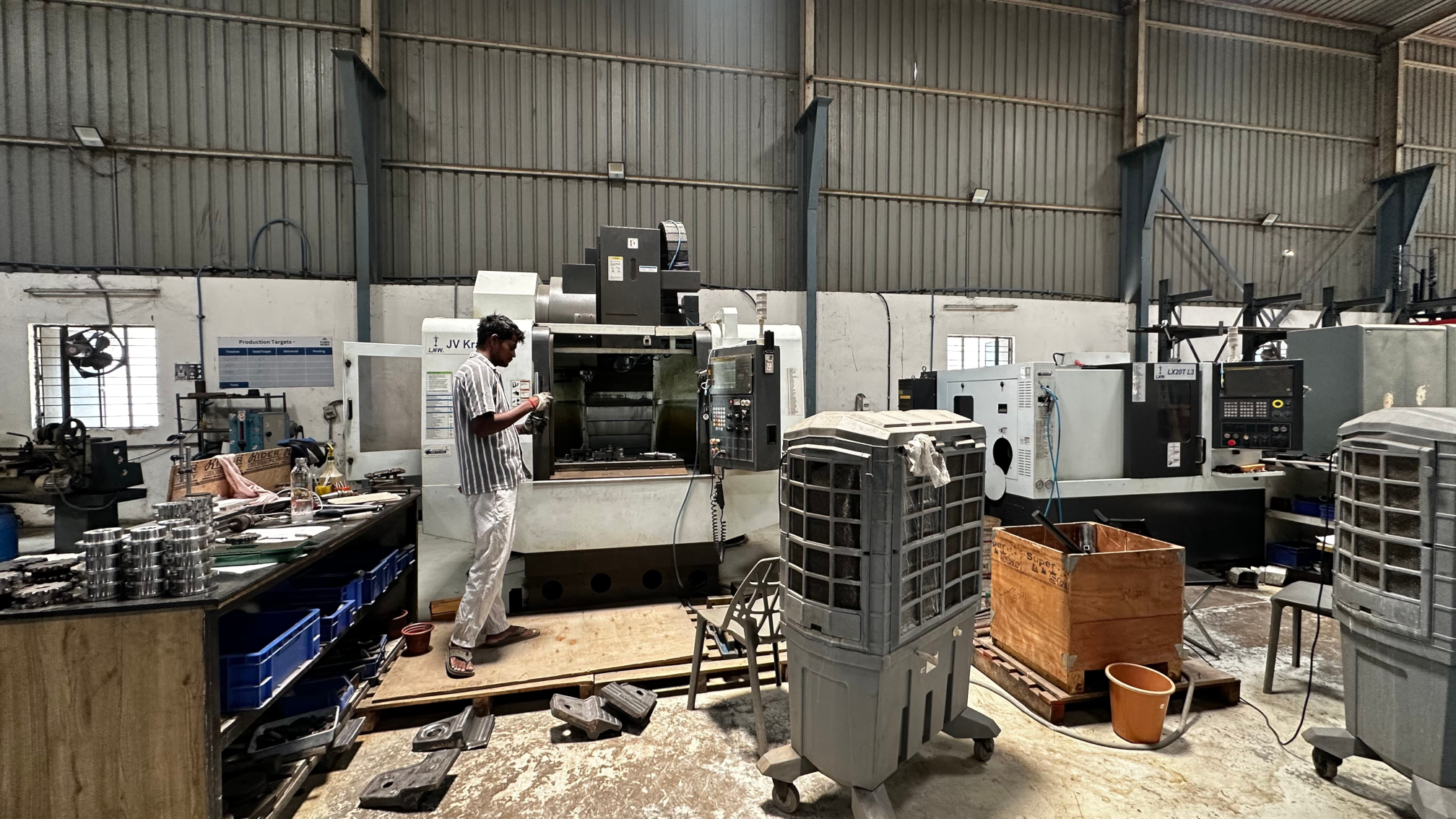
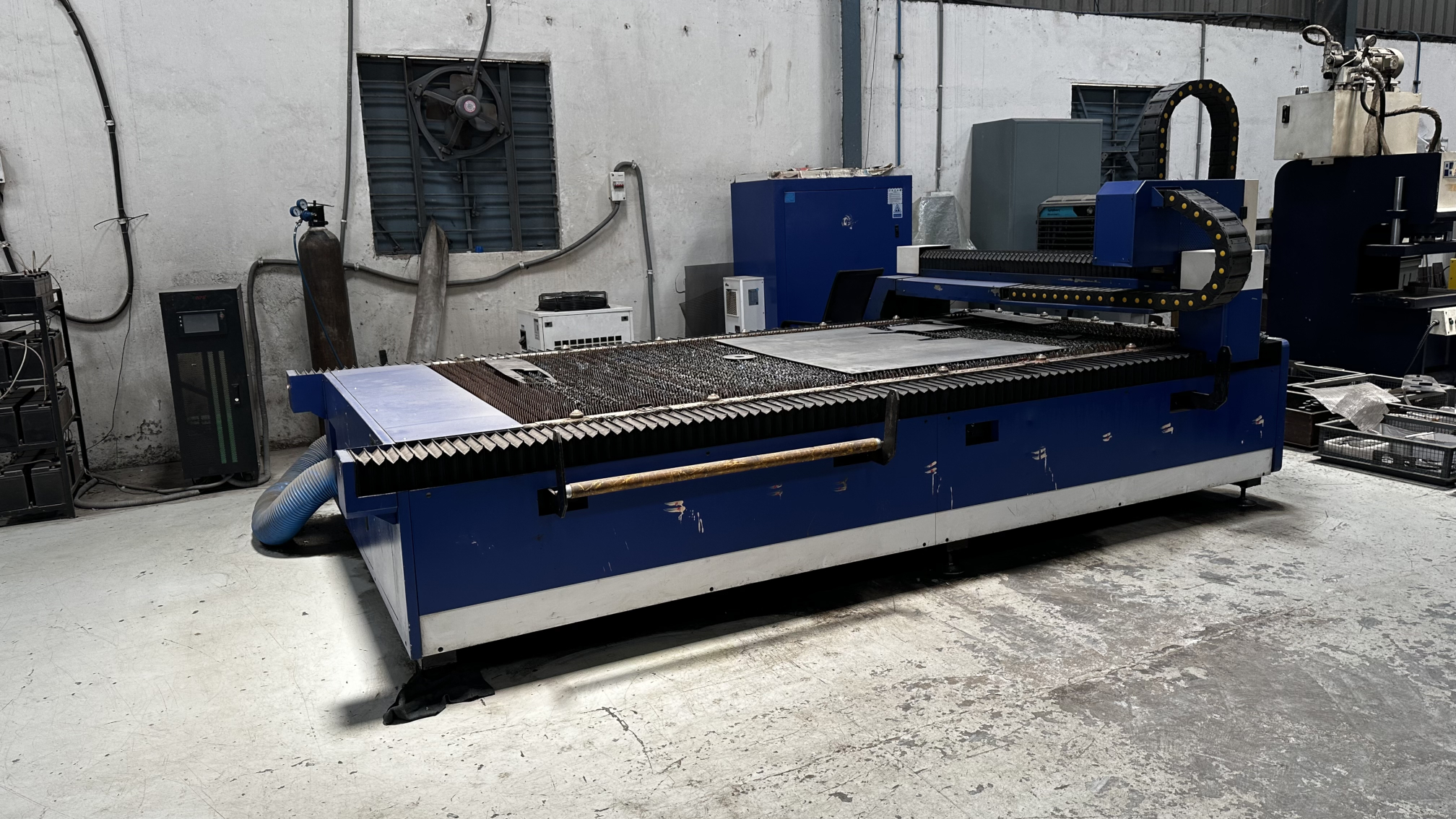
Overall, I do think they are doing something very formidable and innovative indeed. I also really enjoyed having a look into their manufacturing building. Agritech is an emerging sector in India only if done right. It's more or less everything on hard mode due to low labour costs.
Thank you to FarmRobo for the opportunity!
Sid.
Additional Media